Creating Pathways to Resilience: BRDO’s Work in Gedaref State
At Building Resilience Development Organization (BRDO), we believe that long-term change begins with equipping communities to take charge of their own futures. working with our partner Norwegian Refugee Council (NRC) and from the valued donation of the NFMA, we are implementing the Integrated Food Security and Livelihood Support Project in Gedaref State. This initiative is designed to strengthen food security, improve household incomes, and enhance the resilience of some of the most vulnerable communities in Eastern Sudan.
Why This Work Matters
Communities in Gedaref face repeated shocks—erratic rainfall, limited access to quality seeds, and shrinking incomes. These challenges undermine household food security and leave families dependent on fragile coping strategies. Women, youth, and smallholder farmers are particularly affected, as they often lack both the resources and opportunities to adapt to these ongoing crises. Alongside supporting farmers, BRDO is also working with small business owners—equipping them with the necessary tools and training to establish or expand their own projects.
Our project takes a practical, community-centered approach: focusing not on short-term relief, but on building skills, improving knowledge, and fostering self-reliance.
What We Have Done So Far
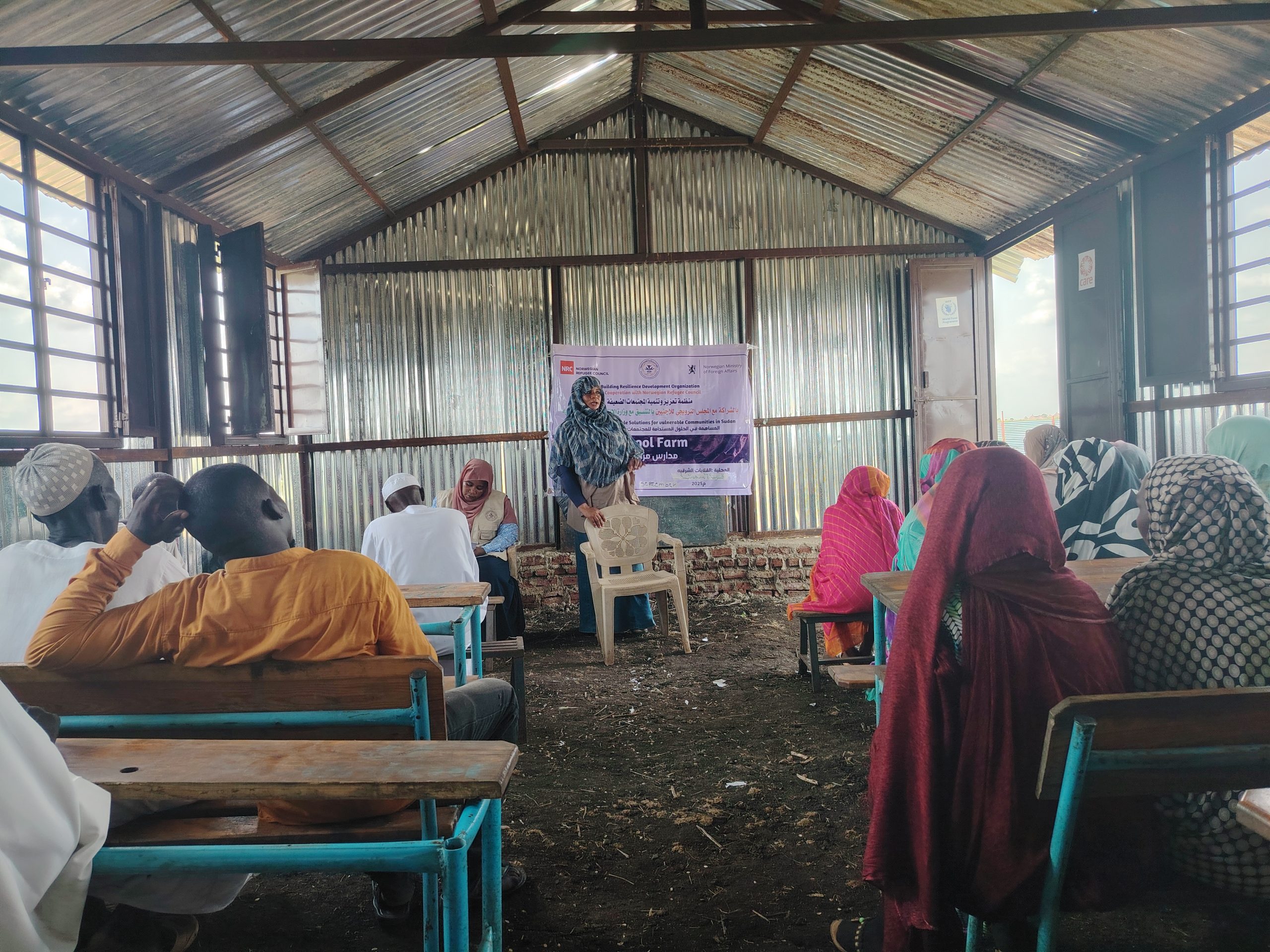
1. Farmer Field Schools (FFS): We trained local farmers in climate-smart agricultural practices, including the use of improved seeds, crop management techniques, and pest control. The sessions emphasized hands-on learning, ensuring that farmers could directly apply new skills to their fields. Many participants expressed excitement about trying out improved practices that they had never used before.
2. Water Harvesting Training: With drought and irregular rainfall posing major challenges in Gedaref, water harvesting was a priority focus. Farmers were introduced to techniques such as terrace building and “Khalkhal,” which conserve water, reduce soil erosion, and increase productivity. These methods are vital for ensuring that farmland remains fertile and reliable even in difficult seasons.
3. Supporting Small Businesses: Beyond farming, the project supported small business owners by providing management training and business grants. These opportunities allow families to diversify their incomes, reduce reliance on seasonal crops, and strengthen the local economy.
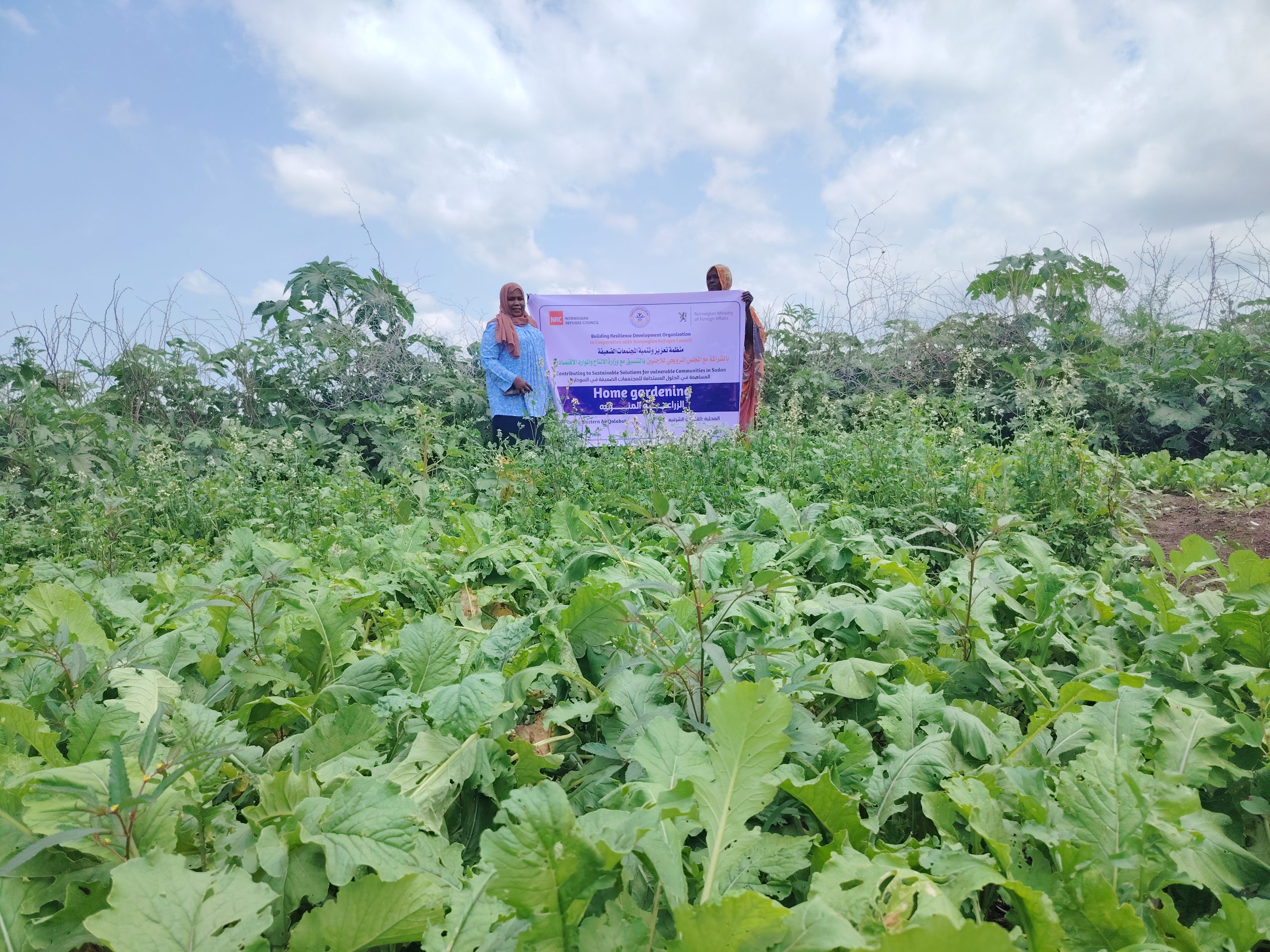
4. Home Gardening Our home gardening activity aims to enhance household food security and nutrition by supporting families—particularly women and vulnerable groups—to grow a variety of vegetables and herbs in small backyard or household gardens.
5. Improving Agricultural Practices In our efforts to improve agricultural productivity and sustainability, we work closely with farmers to introduce modern, climate-smart agricultural practices. These include the use of improved seeds, efficient irrigation and water harvesting techniques, integrated pest management, and soil conservation methods.
Eyes on the activities
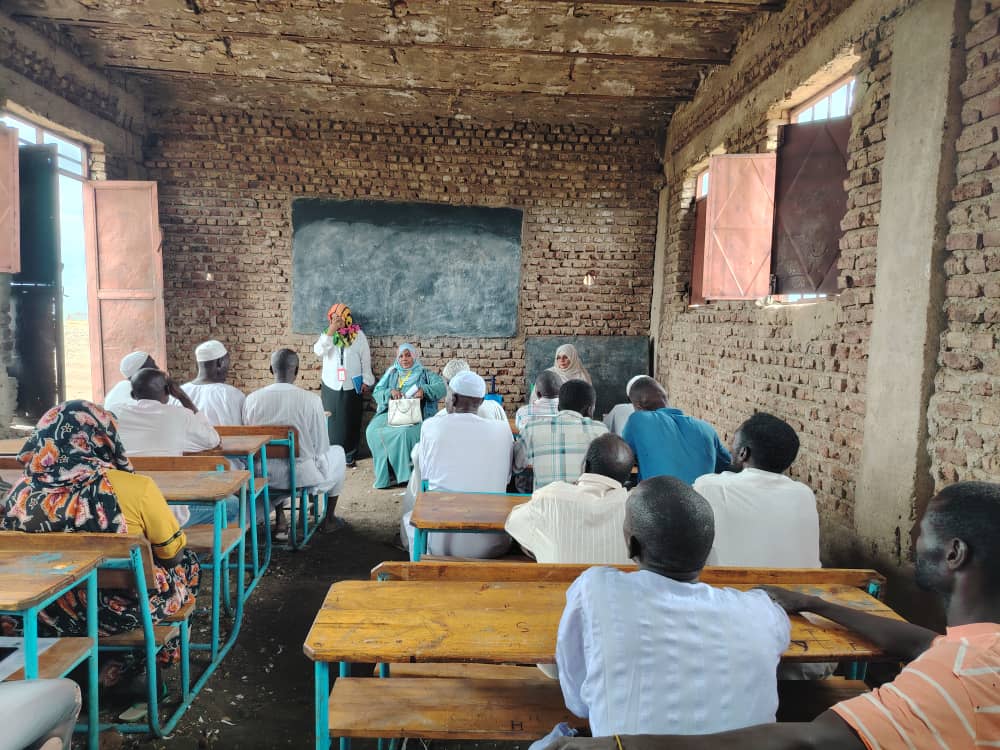
Orientation of the project
Business training
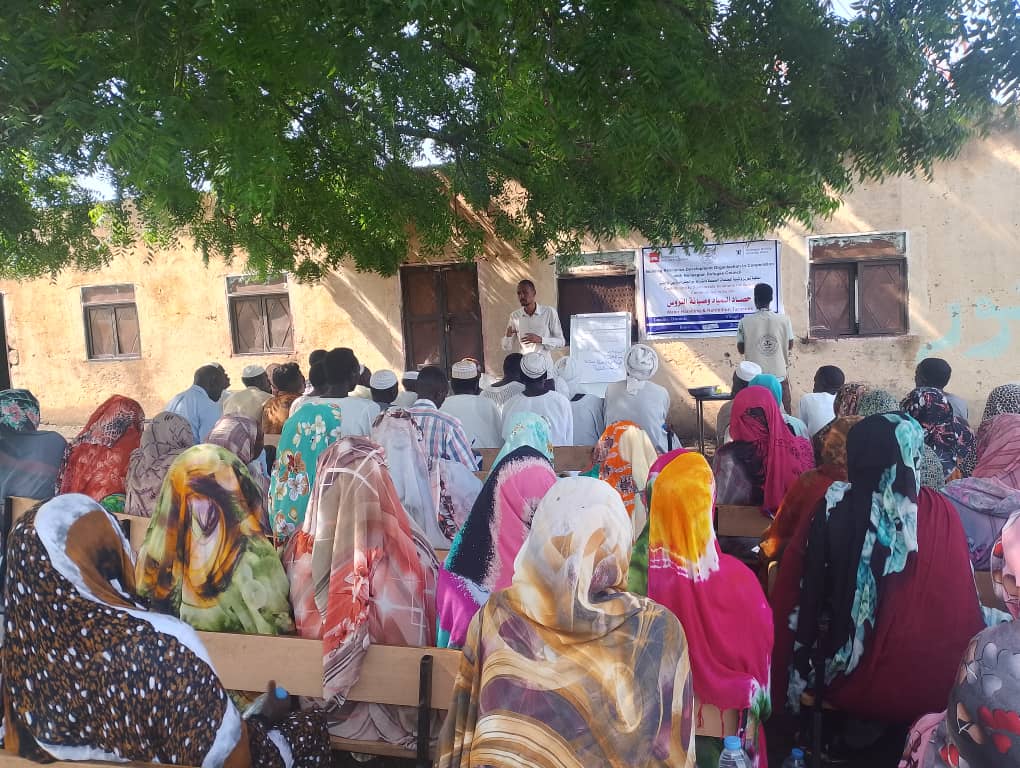
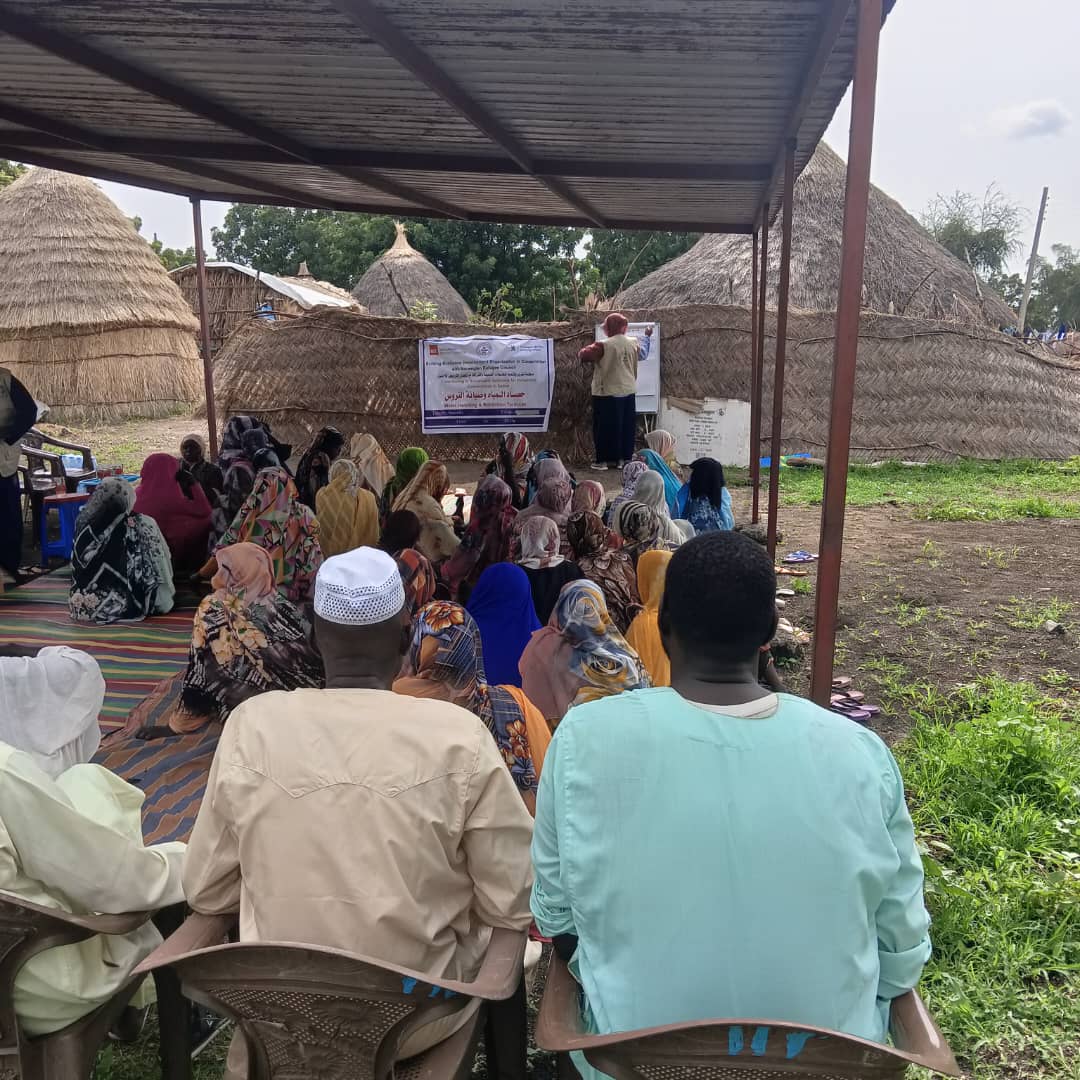
FFS training
FFS and water harvesting training
What Comes Next
the coming months, BRDO will expand its work to reach more farmers and communities across Gedaref State. Planned activities include:
Distribution of agricultural inputs and seed vouchers to ensure farmers are equipped for the next planting season.
Rehabilitation of terraces and other water harvesting infrastructure to strengthen communities’ ability to withstand drought.
Support to youth and women’s income-generating activities (IGAs), enabling vulnerable groups to diversify livelihoods and build stable sources of income.
Ongoing technical support and follow-up visits to help farmers apply new skills effectively in their fields.
Further training in horticulture and vegetable production, with a focus on improving household nutrition and increasing access to diverse diets.
With these activities, BRDO and its partners aim to ensure that communities are not just surviving seasonal hardships, but building the skills, resources, and networks they need to thrive well into the future.